

Bones are living structures in constant change. They break, regenerate, and strengthen throughout our lives. But... what happens when this process gets out of control?
There is a disease that affects millions of people, but few know about. It's called Paget's disease. A bone disorder that, although discovered in the 19th century, remains a mystery to modern science.
In this video, we will explore its origin, its most alarming symptoms, the causes that might be behind this condition, and the treatments that current medicine offers.
Etymology and Synonyms
Paget's disease is named in honor of Sir James Paget, a 19th-century British surgeon, who was the first to describe it in 1877. At the time, he called it osteitis deformans because it was believed to be a chronic inflammation of the bone.
However, over time it was discovered that inflammation was not the real problem. What occurs is an alteration of bone remodeling, causing the bones to grow abnormally, weaken, and become prone to fractures.
Other names that have been used to refer to this disease include:
Bone Paget, to differentiate it from Paget's carcinoma, a type of skin cancer.
Deforming osteodystrophy, a less common term but one that reflects its impact on the bone structure.
Definition
To understand Paget's disease, we must first know how the normal bone remodeling process works.
Throughout our lives, our bones constantly regenerate thanks to two types of cells:
Osteoclasts, responsible for destroying old bone tissue.
Osteoblasts, responsible for forming new bone and maintaining its strength.
Normally, this process is balanced. But in Paget's disease, osteoclasts begin to act hyperactively, destroying more bone than they should. In response, osteoblasts try to repair it quickly, but they do so in a disorganized manner.
The result? Larger but weaker bones, with a chaotic and fragile structure, making them prone to deform and fracture easily.
SYMPTOMS
One of the most dangerous aspects of Paget's disease is that in its early stages, it can be completely asymptomatic. In fact, many patients only discover they have it by accident, when they undergo an X-ray for another reason.
However, as the disease progresses, symptoms begin to appear. Let's see the three most common ones and their effects on the body:
1. Chronic Bone Pain
This is the most frequent symptom. Unlike common muscle pain, Paget's bone pain is deep, persistent, and does not improve with rest. It occurs because the affected bones have an abnormal structure.
2. Bone Deformities
As the bones regenerate in a disorganized manner, they can change shape. Legs may bow, the spine may curve abnormally, and the skull may thicken, even affecting the shape of the face.
3. Spontaneous Fractures
Explanation: Despite their abnormal size, the bones of Paget's patients are much more fragile. This makes them prone to breaking with minimal impact or even for no apparent reason."*
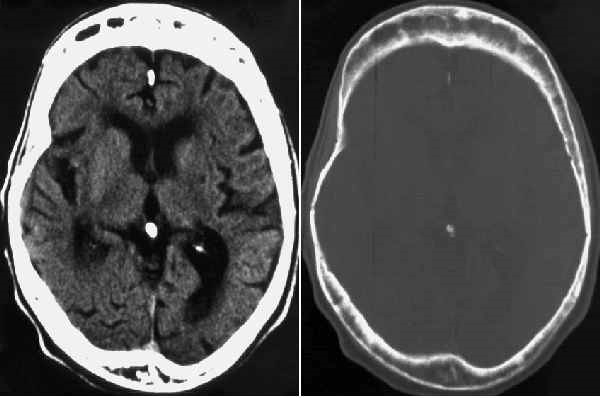
ETIOLOGY, CAUSES, AND DIAGNOSIS
The exact cause of Paget's disease remains a mystery. But researchers have identified three key factors that might be involved:
1. Genetic Factors
Studies have shown that up to 40% of Paget's disease patients have a family history. A mutation in the SQSTM1 gene has been identified, which alters the function of osteoclasts.
2. Viral Factors
Some theories suggest that prior viral infections, especially with paramyxoviruses, could activate the disease in predisposed individuals.
3. Environmental Factors
Interestingly, the incidence of the disease has decreased in recent decades, suggesting that changes in diet, exposure to pollutants, or modern lifestyles might influence its development.
TREATMENTS
Although there is no definitive cure, there are effective treatments to control the disease and reduce its symptoms.
1. Bisphosphonates
Explanation: These drugs inhibit the activity of osteoclasts, slowing bone destruction. They are the primary treatment.
2. Physical and Orthopedic Therapy
Personalized exercises help strengthen the muscles surrounding the affected bones, reducing pain and the risk of fractures.
3. Surgery
In severe cases, surgery may be used to repair fractures, correct deformities, or replace damaged joints.
CONCLUSIONS AND REFLECTIONS
Paget's disease remains an enigma. But thanks to medical advances, we have better tools for diagnosing and treating it in time.
If you have unexplained bone pain or a family history, consult a specialist. Early detection is key.

The brands Beybies, Pura+ and NrgyBlast belong to Avimex de Colombia SAS. All products have quality certifications and current sanitary registrations and are manufactured under the strictest international standards. To purchase our products, you can access our Shop-On Line. All purchases are backed by a 100% satisfied or refunded guarantee.