
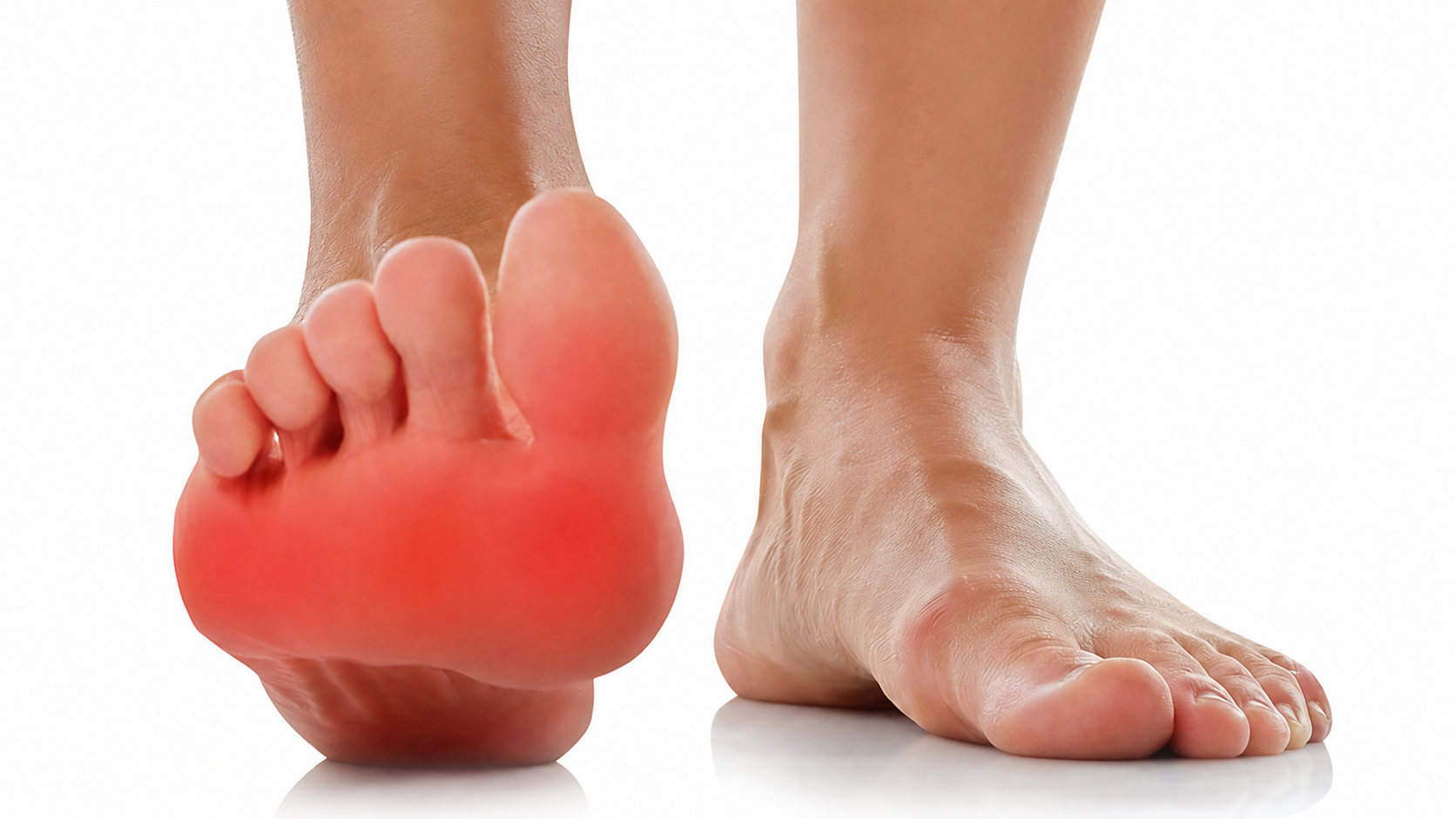
GOUT: WHEN PAIN TURNS TO CRYSTAL
Did you know that a single disease has been nicknamed for centuries as the disease of kings? Not for its elegance, but for its brutal pain. Today we talk about GOUT, a form of arthritis that not only hurts… it hurts with microscopic crystals that make you see stars.
But before we begin, we remind you that this video is brought to you by Pura+, the leading brand in orthopedic and physiotherapy products. From joint supports to insoles and therapeutic accessories, at Pura+ you find quality and innovation
ETYMOLOGY AND SYNONYMS
The term "Gout" comes from the Latin "gutta", which means drop of liquid, referring to the ancient belief that it was caused by a bodily humor that dripped into the joints.
It is also known as "gouty arthritis" or "uric arthritis". In English, it is simply called gout, while in medical circles, it can be found as symptomatic hyperuricemia.
DEFINITION
Gout is a metabolic disease characterized by deposits of monosodium urate crystals in joints, soft tissues, and kidneys. These crystals form due to elevated levels of uric acid in the blood, a condition known as hyperuricemia.
According to the American College of Rheumatology, it is one of the most common inflammatory arthritis and can cause disability if not properly treated.
SYMPTOMS
The 3 most common and representative symptoms of gout are:
Sudden and intense joint pain: This pain often appears at night and reaches its maximum intensity in a few hours. It is often located in the big toe, a condition called podagra. The pain is so severe that even the touch of a sheet can be unbearable.
Swelling and redness of the joint: The affected area swells, warms up, and takes on a reddish-purple hue. The skin can become shiny and tight.
Stiffness and loss of mobility: When the acute episode subsides, stiffness and difficulty moving the joint may remain. In people with recurrent attacks, this can become permanent due to progressive joint damage.
ETIOLOGY, CAUSES, AND DIAGNOSES
Its three main causes are:
Excess production of uric acid: Some people produce more uric acid than they can eliminate. This may be due to genetic factors or diseases such as psoriasis or certain types of hematological cancers (e.g., leukemias).
Decreased renal excretion: In many cases, the kidneys do not adequately eliminate uric acid. This is the most common cause of hyperuricemia and may be linked to renal insufficiency, hypertension, or prolonged use of diuretics.
Diet rich in purines: Excessive consumption of red meat, organ meats, shellfish, and alcoholic beverages—especially beer—increases serum uric acid. Studies like that of Choi et al. (2004, NEJM) confirmed this relationship in more than 47,000 men followed for 12 years.
Some forms of diagnosis are divided into:
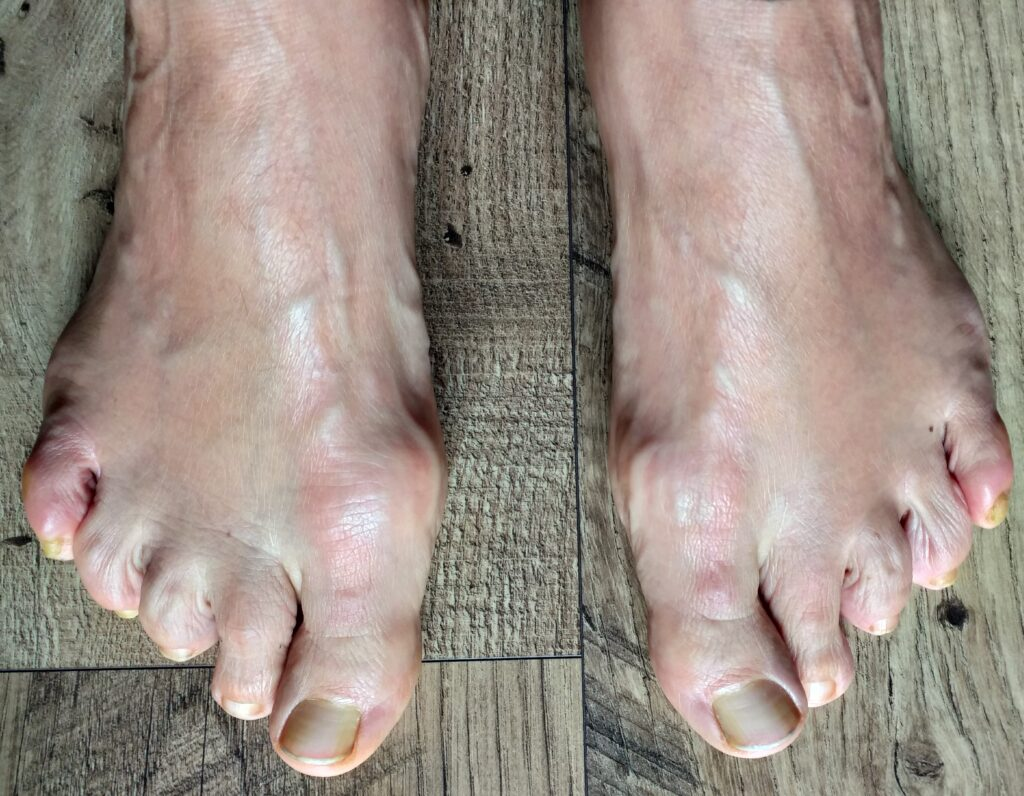
TREATMENTS
There are many strategies, but here we focus on the 3 most relevant, separating treatments for acute phase and chronic management.
In acute phase (gout attack):
Colchicine: A classic medication that reduces inflammation if administered within the first 12-24 hours of the attack. It inhibits leukocyte migration and its initial dose is usually 1.2 milligrams followed by 0.6 milligrams one hour later.
NSAIDs (Nonsteroidal Anti-Inflammatory Drugs): Naproxen, indomethacin, and diclofenac are the most used. They help reduce inflammation quickly and are recommended for patients without gastrointestinal or renal contraindications.
For prevention and chronic control:
Allopurinol: It is the most used inhibitor of the enzyme xanthine oxidase, reducing the formation of uric acid. It starts with low doses (100 milligrams per day) and is adjusted according to serum levels.
And if you are facing joint pain, stiffness, or physical limitations due to gout or any other musculoskeletal condition, remember that at Pura+ you find joint supports, elastic bands, anatomical insoles, and physiotherapy products that accompany you on the path to a more active life.
CONCLUSIONS AND REFLECTIONS
Gout is an inflammatory disorder with metabolic origin that, if treated in time, can prevent severe complications such as chronic joint damage, tophi, and even urate nephropathies. It affects millions of people worldwide, and its prevention is possible through diet and control of associated diseases.
It is not a sentence, it is a warning. If you have ever felt a sudden pain in a joint, consult a rheumatologist, measure your uric acid levels, and do not underestimate what seems like a simple foot pain.
The brands Beybies, Pura+ and NrgyBlast belong to Avimex de Colombia SAS. All products have quality certifications and current sanitary registrations and are manufactured under the strictest international standards. To purchase our products you can access our Shop-On Line. All purchases are backed by a 100% satisfaction or refund guarantee.